


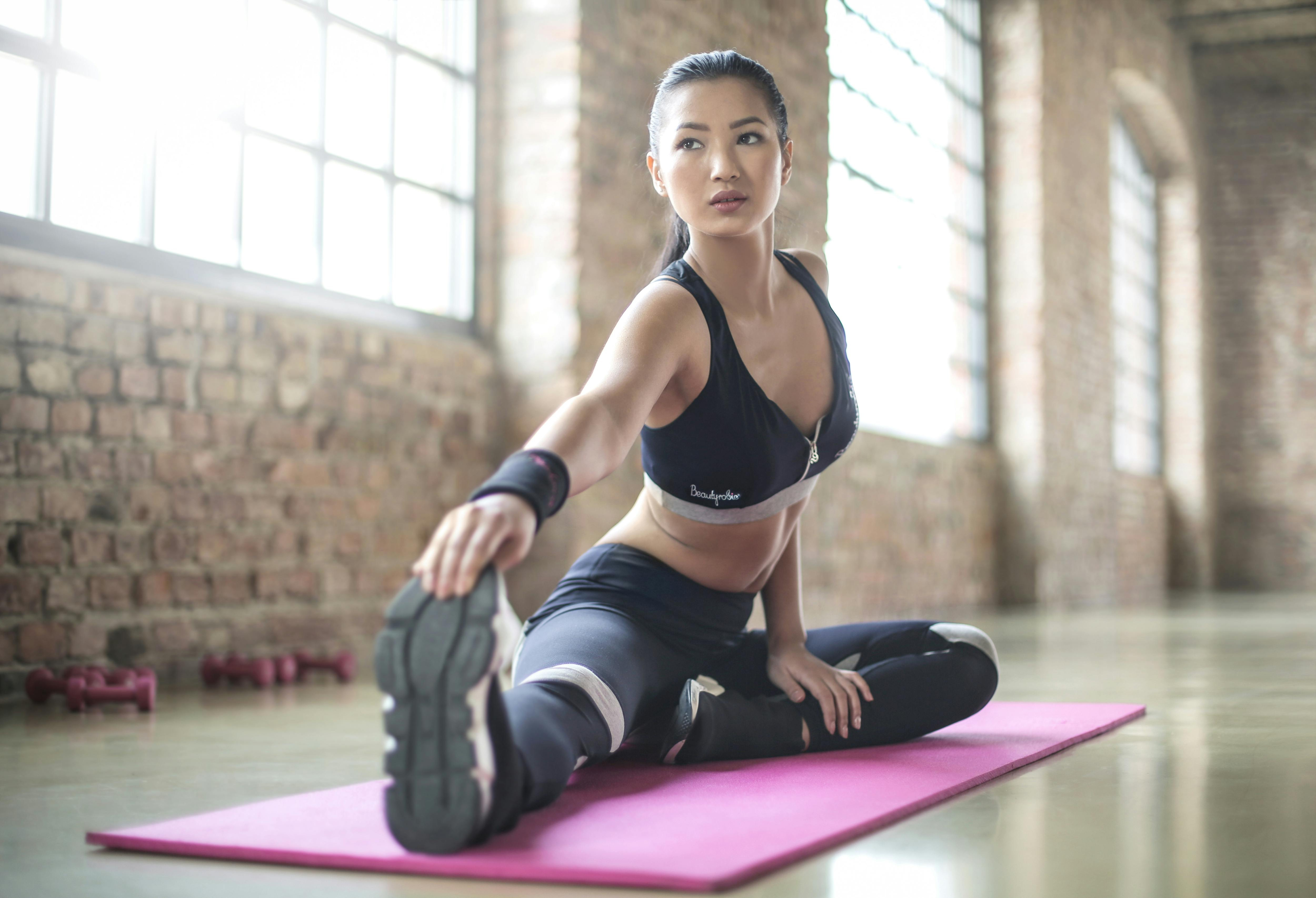
Types of Workouts You Can Do in College | Bountiful Court
9 Fun and Effective Ways to Stay Fit While Going to College Balancing college life with staying healthy doesn’t have to be a challenge! With different types of workouts available, you can easily find an exercise routine that fits your schedule, preferences, and goals. Here are some popular workouts for college students to keep active and energized. 1. Strength Training Strength training builds muscle, improves metabolism, and enhances endurance. Most college gyms are equipped with weights and machines, but you can also do bodyweight exercises in your dorm or apartment. Benefits : Strengthens bones, improves posture, boosts metabolism. Equipment Needed : Dumbbells, kettlebells, or just your body weight! Sample Exercises : Squats, push-ups, lunges, and deadlifts. Time Commitment : 30-45 minutes, 3-4 times a week. Quick Tip : If the gym feels intimidating, consider joining a beginner-friendly strength training class or using apps with guided instructions. 2. Yoga Yoga combines stretching, breathing, and mindfulness for a full-body workout that also improves mental health. It’s a low-impact option that’s ideal for reducing stress and increasing flexibility. Benefits : Improves flexibility, relieves stress, enhances focus. Equipment Needed : Yoga mat. Popular Styles : Vinyasa for flow and cardio, Hatha for slow-paced and restorative moves, or Power Yoga for a challenging workout. Time Commitment : 20-60 minutes, depending on the class or routine. Quick Tip : Many universities offer yoga classes for students. Try a morning session to start the day refreshed or an evening session to unwind. 3. High-Intensity Interval Training (HIIT) HIIT workouts involve short bursts of intense exercise followed by brief rest periods, which makes it a time-efficient way to burn calories and build strength. Benefits : Boosts cardiovascular health, burns calories quickly, enhances endurance. Equipment Needed : Minimal, but resistance bands or small weights can add intensity. Sample Exercises : Jump squats, burpees, mountain climbers, and sprints. Time Commitment : 15-30 minutes. Quick Tip : HIIT can be done almost anywhere —try it in your dorm room, outside, or even in between classes if you’re short on time. 4. Running or Jogging Running is a great way to clear your mind, explore the campus, and get a solid cardio workout. Many universities have beautiful trails or parks perfect for a quick run. Benefits : Improves cardiovascular health, boosts mood, burns calories. Equipment Needed : A good pair of running shoes. Types of Runs : Try long-distance jogging for endurance or interval sprints for a high-intensity boost. Time Commitment : 20-45 minutes, depending on pace and intensity. Quick Tip : Join a campus running club to stay motivated and meet like-minded people! 5. Cycling Cycling is a low-impact, cardio-intensive workout that’s easy on the joints. If your campus has a gym, it likely has stationary bikes, or you can bike around campus if you own one. Benefits : Enhances leg strength, improves heart health, and is gentle on the knees. Equipment Needed : Stationary bike or outdoor bike. Sample Workouts : Steady-state cycling for endurance or intervals to build stamina. Time Commitment : 30-45 minutes. Quick Tip : Many gyms offer cycling classes for added motivation, plus music and group energy to keep you going! 6. Bodyweight Circuit Workouts Bodyweight circuits are perfect for small spaces like dorm rooms and don’t require equipment, making them ideal for a quick and effective workout. Benefits : Improves muscle tone, builds endurance, boosts metabolism. Sample Exercises : Planks, sit-ups, squats, push-ups, and burpees. Time Commitment : 15-30 minutes. Quick Tip : Try a “tabata” circuit—20 seconds of work with 10 seconds of rest—for a quick, intense workout that doesn’t take up much time. 7. Dance Workouts Dancing is a fun and effective way to burn calories and lift your spirits! It’s perfect if you’re looking to stay active without feeling like you’re working out. Benefits : Improves cardiovascular fitness, increases coordination, boosts mood. Options : Join a Zumba class, try an online dance workout, or just put on your favorite playlist and move. Time Commitment : 20-45 minutes. Quick Tip : Look out for dance classes offered through your campus gym or local fitness centers for a group experience! 8. Pilates Pilates focuses on core strength and muscle control, improving balance and posture. It’s great for toning and building core endurance without high-intensity movements. Benefits : Strengthens core, improves flexibility, enhances balance. Equipment Needed : Mat, but some routines use resistance bands or light weights. Sample Moves : Leg lifts, bridge, side planks, and roll-ups. Time Commitment : 30-60 minutes. Quick Tip : Many free online classes are available, making it easy to practice Pilates from your dorm or apartment. 9. Team Sports and Intramurals If you miss high school sports or enjoy working out with friends, look for campus intramurals. These give you a great workout and help you meet new people. Benefits : Builds endurance, enhances coordination, and fosters teamwork. Options : Basketball, soccer, volleyball, or even kickball! Time Commitment : Depends on the sport and league schedule. Quick Tip : Joining a team sport is an excellent way to stay fit while adding some friendly competition to your routine. Staying fit in college is all about finding a routine that fits your lifestyle and keeps you motivated. With so many workout options, from strength training to yoga, HIIT, and beyond, you’re bound to find one that works for you. Grab a friend or try out a new workout class on campus—you may discover a new favorite way to stay active!
Read more